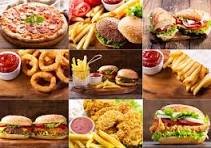
History & Origins of Fast Food
1. Early Beginnings
- Long before global chains, the concept of “fast food” existed in simple forms.
- Ancient civilizations, such as Rome and China, had street vendors selling ready-to-eat meals like bread, sausages, dumplings, and snacks.
- In medieval Europe, taverns and inns offered quick meals for travelers, often simple fare like bread, cheese, and stew.
2. The Rise of Modern Fast Food
- The modern fast-food industry began in the early 20th century in the United States.
- White Castle (founded in 1921 in Wichita, Kansas) is often credited as the first fast-food chain. They standardized cooking and cleanliness to build trust and speed.
- Innovation: They focused on mass production, uniformity, and low prices—a formula that became the blueprint for future chains.
3. McDonald’s Revolution
- McDonald’s, founded by Richard and Maurice McDonald in 1940, popularized the “Speedee Service System” in the late 1940s.
- Key innovations:
- Assembly-line style preparation to reduce cooking time.
- Limited menus focused on burgers, fries, and shakes.
- Ray Kroc later franchised McDonald’s nationwide, transforming it into a global icon.
4. Global Spread
- Post-World War II, American fast food expanded worldwide.
- Countries adapted menus to local tastes:
- India: McAloo Tikki burger (vegetarian).
- Japan: Teriyaki burgers and seasonal limited editions.
- Middle East: Halal-certified options.
- Fast food became a cultural symbol of convenience and modern lifestyle.
5. Why It Became Popular
- Convenience: Quick meals for busy urban lifestyles.
- Affordability: Cheap, standardized pricing made it accessible.
- Marketing: Clever advertising, especially targeting kids and families.
- Consistency: Customers knew what to expect anywhere, a key trust factor.
Popular Chains & Menu Highlights
1. McDonald’s
- Founded: 1940, U.S.A.
- Signature Items: Big Mac, McNuggets, French fries, McFlurry desserts.
- What’s Special:
- Global presence in over 100 countries.
- Local menu variations like the McSpicy Paneer (India) or Teriyaki Burger (Japan).
- Known for consistent taste, fast service, and iconic branding (golden arches).
2. KFC (Kentucky Fried Chicken)
- Founded: 1952, U.S.A.
- Signature Items: Original Recipe fried chicken, chicken wings, mashed potatoes, coleslaw.
- What’s Special:
- Famous “11 herbs and spices” recipe.
- Strong presence in Asia, especially China, where KFC menus include rice bowls and localized desserts.
3. Burger King
- Founded: 1954, U.S.A.
- Signature Items: Whopper, chicken nuggets, onion rings, breakfast sandwiches.
- What’s Special:
- Flame-grilled burgers for unique taste.
- Creative marketing and promotional items, e.g., Impossible Whopper (plant-based).
Cultural Impact of Fast Food
Fast food isn’t just food—it’s a global cultural phenomenon.
What to include:
- Influence on lifestyle:
Fast food made eating on-the-go acceptable, especially in urban societies. Drive-thrus, delivery, and take-out shaped how people consume meals. - Pop culture references:
Movies, TV shows, and music often feature fast food as a symbol of modern life. Example: In Pulp Fiction, the McDonald’s scenes became iconic. - Social behavior:
Fast food chains are places where friends hang out, teenagers meet, and families grab quick meals. It became part of daily routines and social habits. - Globalization of taste:
Chains adapt menus for local flavors, reflecting cultural exchange. Example: Teriyaki Burgers in Japan or McSpicy Paneer in India.
Health & Nutrition
Fast food is convenient, but it’s often high in calories, fats, sugar, and sodium.
Key points to cover:
- Pros:
- Quick, easy, affordable.
- Consistent taste and portion sizes.
- Sometimes fortified with vitamins (e.g., salads, fruit cups).
- Cons:
- High in calories → weight gain risk if eaten excessively.
- High sodium and sugar → can affect heart health and energy levels.
- Limited fiber and micronutrients → may lack long-term nutritional benefits.
- Tips for healthier fast food eating:
- Choose grilled instead of fried items.
- Opt for smaller portions or salads on the side.
- Limit sugary drinks and desserts.
Economic & Business Angle of Fast Food
1. The Industry Scale
- The fast-food industry is massive, generating hundreds of billions of dollars annually worldwide.
- Examples:
- McDonald’s alone made over $23 billion in revenue in 2022.
- Chains like KFC, Subway, and Burger King each have thousands of outlets across dozens of countries.
- The industry thrives on high volume, low cost, and standardized products, allowing profits to scale globally.
2. Marketing & Consumer Psychology
- Advertising strategies:
- Targeting kids with toys, fun mascots, and commercials creates brand loyalty early.
- Use of promotions, limited-time offers, and value meals encourages frequent visits.
- Psychology behind cravings:
- Salt, sugar, and fat are carefully balanced to make food addictive.
- Packaging, smell, and bright colors are designed to attract attention and stimulate appetite.
Social & Environmental Issues
While fast food is fun, it also has serious societal and environmental impacts. Covering these adds depth and credibility to your blog.
1. Health & Society
- Health risks: High calories, sodium, and sugar contribute to obesity, diabetes, and heart problems.
- Influence on youth: Fast-food marketing targets children and teens, shaping lifelong eating habits.
2. Labor & Ethics
- Low wages and challenging work conditions are common in the fast-food industry.
- Discuss ethical concerns, corporate responsibility, or efforts toward fair labor practices.
3. Environmental Impact
- Packaging waste: Wrappers, cups, and containers contribute to landfill.
- Carbon footprint: Meat production and transportation add to greenhouse gas emissions.
- Sustainable initiatives: Some chains now use recyclable packaging, plant-based menu options, and food recycling programs.
Watch video on this topic
also read my post on self improvement and motivation