by
by 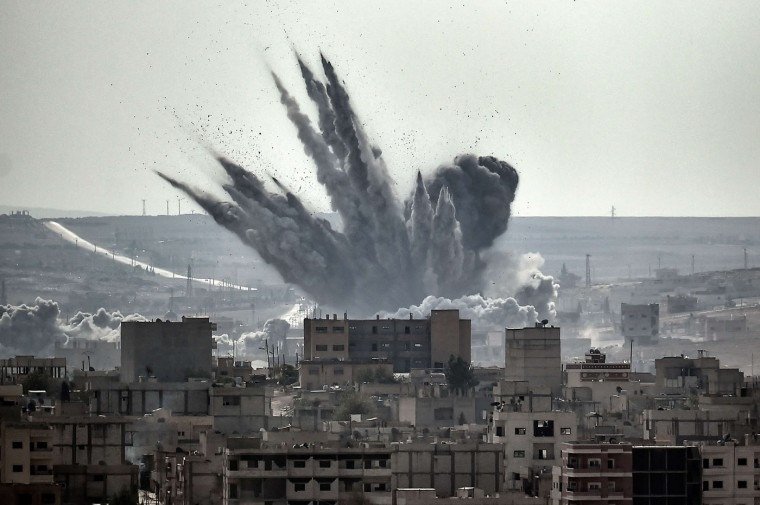
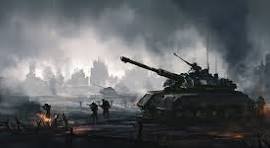
Impact of War is one of the most devastating events a country can experience. While it may begin due to political, economic, or territorial conflicts, the impact of war goes far beyond the battlefield. The consequences of war can last for years, even generations, deeply affecting a nation’s economy, society, and overall development.
In today’s world, the impact of war is not limited to the countries directly involved but also affects the global community. It disrupts international trade, increases economic instability, and creates political tensions among nations. Moreover, with the advancement of modern weapons and technology, wars have become more destructive than ever, causing widespread damage and long-lasting consequences for humanity as a whole.
Economic Impact
One of the most immediate effects of war is economic destruction. Infrastructure such as roads, bridges, schools, and hospitals often gets damaged or completely destroyed. Governments are forced to divert large portions of their budget toward military spending instead of development. As a result, industries slow down, unemployment rises, and poverty increases. Trade between countries may also be disrupted, leading to inflation and shortages of essential goods.
Social and Human Impact
War causes immense human suffering. Thousands of people may lose their lives, and many more are injured or displaced from their homes. Families are separated, and communities are broken. Refugee crises become common, with people forced to migrate to safer regions or countries. Education is disrupted, especially for children, affecting their future opportunities.
Political Impact
War often leads to political instability. Governments may change, sometimes through force, and new leadership may struggle to maintain control. In some cases, wars result in the division of countries or long-term conflicts between nations. Trust between countries weakens, making diplomacy more difficult.
Psychological Impact
The mental health effects of war are often overlooked but very serious. People living in war zones may experience fear, trauma, anxiety, and depression. Soldiers returning from war can also suffer from long-term psychological issues, making it difficult for them to return to normal life.
Environmental Impact
War also harms the environment. Bombings, weapons, and military activities can destroy forests, pollute water sources, and damage wildlife. These environmental effects can take years to recover and may impact agriculture and food supply.
Long-Term Consequences
Even after a war ends, rebuilding a country is a long and difficult process. Economies take time to recover, infrastructure must be rebuilt, and social harmony needs to be restored. In many cases, the effects of war continue to influence future generations.
Conclusion on impact of war
War not only affects those directly involved but also has far-reaching consequences for entire nations and the world. It highlights the importance of peace, cooperation, and diplomacy. Preventing conflicts and resolving disputes peacefully is essential for the progress and well-being of countries and their people
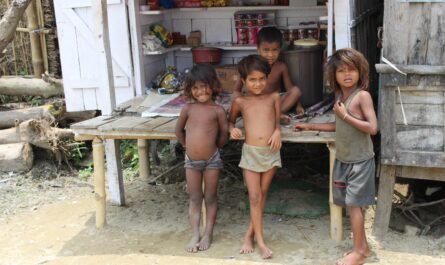
1. Impact on people (Displacement and suffering)
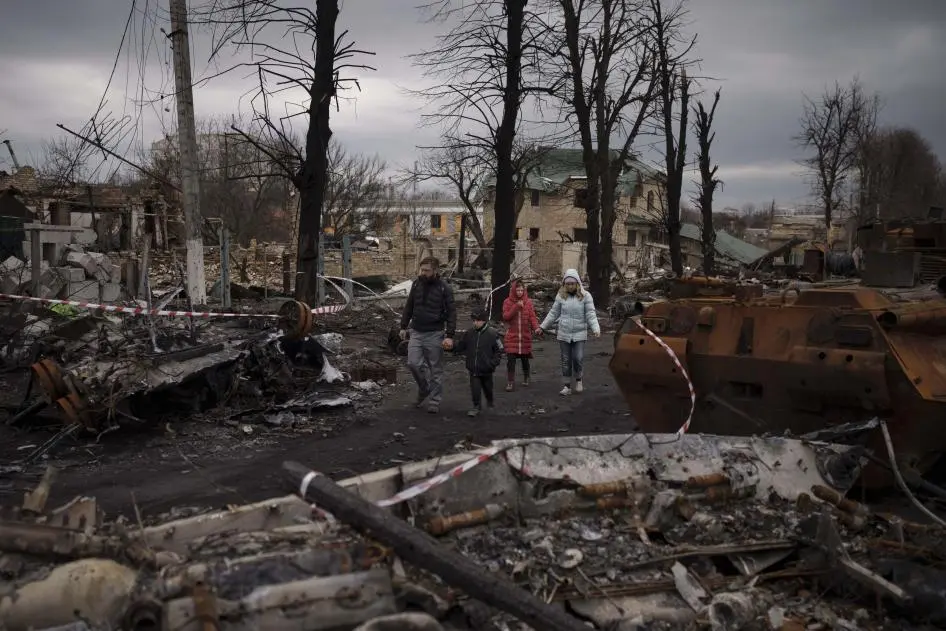
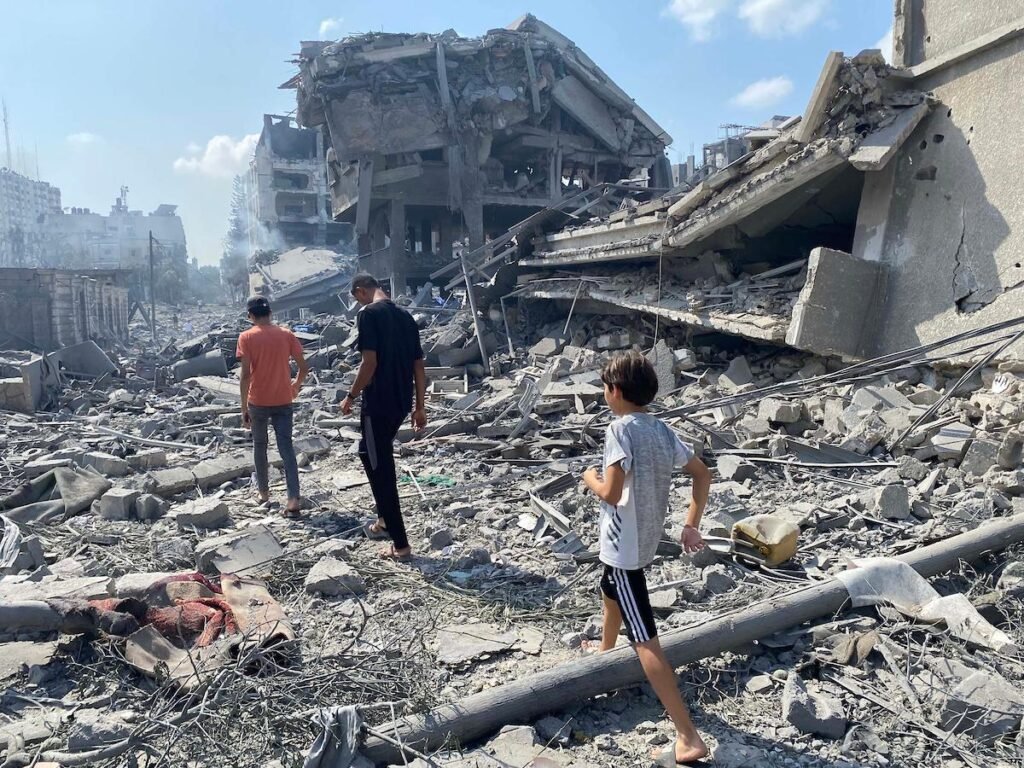
War forces people to leave their homes, creating refugees and causing emotional and physical suffering. Millions are displaced during conflicts.
2. Destruction of Cities & Infrastructure
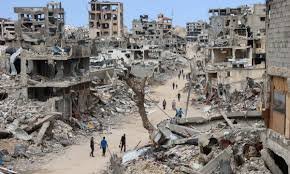
These images show how wars destroy buildings, roads, and entire cities, leaving behind rubble and unsafe living conditions.
- Effect of war on different sectors –
The impact of war is clearly visible across different sectors of society, especially education, healthcare, and the environment. In the education sector, schools and colleges are often destroyed or forced to shut down, disrupting the learning process and affecting the future of students. In healthcare, hospitals may be damaged, medical supplies become limited, and access to proper treatment is reduced, putting countless lives at risk. Additionally, the environment suffers greatly as wars lead to pollution, destruction of natural resources, and loss of wildlife. These effects not only harm the present generation but also create long-term challenges for the recovery and development of a country.