by
by 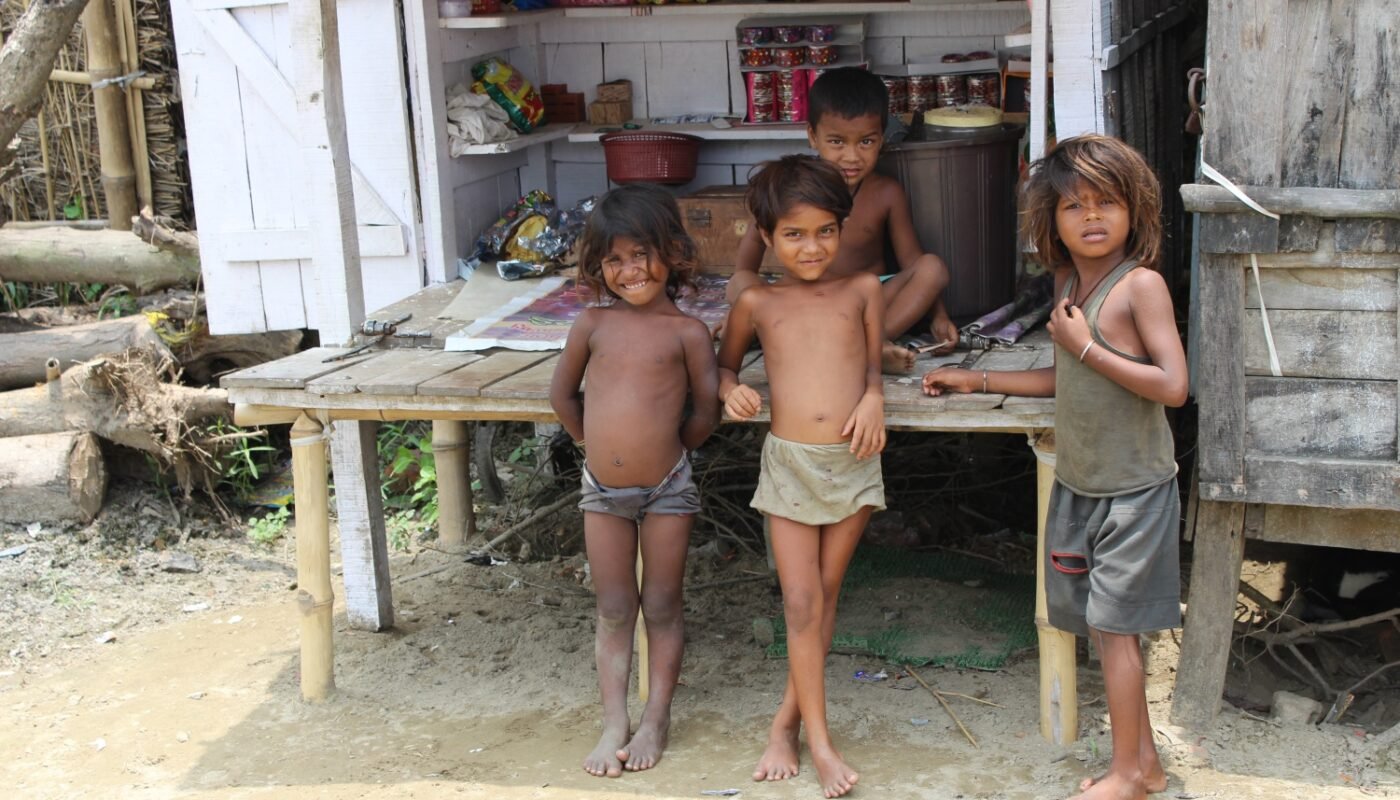
In India there is a need of bridging the gaps in education and healthcare. India is a country of immense diversity and rapid growth, yet it continues to face challenges in key areas like education, healthcare, and the environment. Bridging these gaps is essential for sustainable development and improving the quality of life for millions. By focusing on inclusive growth and smart solutions, India can build a stronger and more balanced future.
Bridging the Education Gap
Bridging the education gap in India is essential for creating equal opportunities for all students. Many children in rural and underprivileged areas still lack proper schools, trained teachers, and access to digital learning. Factors like poverty and the digital divide make it harder for them to receive quality education. To overcome this, improving school infrastructure, promoting online education, and supporting initiatives like Digital India can make a big difference. By ensuring that every child gets access to education, India can build a stronger and more developed future.
Improving Healthcare Access
Improving healthcare access in India is essential to ensure that every individual receives timely and affordable medical care. Many rural and remote areas still face a shortage of hospitals, doctors, and basic medical facilities, making it difficult for people to get proper treatment. High costs and lack of awareness further limit access to healthcare services. To address these challenges, the government has introduced schemes like Ayushman Bharat, which aims to provide affordable treatment to millions of citizens. In addition, the use of telemedicine, mobile health units, and digital platforms can help reach underserved populations. Strengthening public healthcare infrastructure, training more medical professionals, and promoting preventive care are key steps toward building a healthier and more inclusive society.
Protecting the Environment
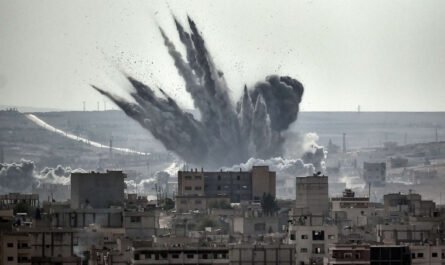
Protecting the environment is essential for ensuring a healthy and sustainable future. Rapid industrialization, pollution, and deforestation have led to serious environmental problems such as poor air quality, water contamination, and climate change. To address these issues, it is important to adopt eco-friendly practices like reducing waste, conserving water, and using renewable energy sources. Government initiatives such as Swachh Bharat Abhiyan promote cleanliness and environmental awareness among citizens. Additionally, tree plantation drives, recycling, and public participation can make a significant difference. By taking small but meaningful steps, individuals and communities can work together to protect nature and create a cleaner, greener world.
🔗 How Education, Healthcare, and Environment Are Connected in Bridging the Gaps
These three sectors are not separate—they are deeply interlinked and depend on each other for the overall development of a nation like India. Understanding this connection is essential for bridging the gaps between education, healthcare, and environmental sustainability.
📚 1. Education → Better Healthcare & Environment
Education is the foundation of progress and plays a key role in bridging the gaps between different sectors.
An educated person understands:
- Importance of hygiene and sanitation
- Need for vaccinations and regular health checkups
- Environmental protection (saving water, reducing pollution)
👉 Example:
If people are educated, they are more likely to:
- Wash hands regularly → fewer diseases
- Avoid open defecation → cleaner environment
- Reduce plastic use → less pollution
✔ Result: Better health + cleaner environment, which is essential for bridging the gaps in society.
🏥 2. Healthcare → Supports Education & Society
Good healthcare ensures people are physically and mentally fit, which directly supports bridging the gaps in education and development.
Healthy children:
- Attend school regularly
- Perform better in studies
Healthy adults:
- Work efficiently
- Support their families and society
👉 Example:
If a child is frequently sick due to poor healthcare:
- They miss school
- Their education suffers
✔ Result: Weak healthcare → weak education system, making bridging the gaps more difficult.
🌱 3. Environment → Impacts Health & Learning
The environment directly affects both health and education, making it a crucial factor in bridging the gaps.
Pollution causes:
- Respiratory diseases
- Weak immunity
Poor environmental conditions lead to:
- Unsafe drinking water → diseases
- Extreme heat → difficulty in learning
👉 Example:
In highly polluted areas:
- Children fall sick more often
- School attendance drops
✔ Result: Bad environment → poor health → poor education, which slows down progress in bridging the gaps.
💡 Solutions and Future Approach
To truly bridge the gaps between education, healthcare, and the environment in India, we need an integrated and forward-thinking approach. These sectors must grow together through smart planning, technology, and collective effort.
📚 1. Strengthening Education Systems
Education is the starting point of long-term change.
- Improve access to quality education in rural and remote areas
- Promote digital learning through online platforms and smart classrooms
- Train teachers with modern teaching methods
- Include health awareness and environmental education in school curriculums
👉 Future Approach:
Education should not just focus on books but also on life skills, sustainability, and health awareness.
🏥 2. Improving Healthcare Accessibility
Healthcare must reach every citizen, not just urban populations.
- Expand primary healthcare centers in villages
- Use telemedicine to connect rural patients with doctors
- Make healthcare affordable through government schemes
- Focus on preventive care (nutrition, fitness, hygiene awareness)
👉 Future Approach:
Shift from “treatment-based” to “prevention-based” healthcare systems, where people stay healthy instead of only getting treated after falling sick.
🌱 3. Promoting Environmental Sustainability
A clean environment is essential for a healthy and educated society.
- Encourage use of renewable energy like solar and wind
- Promote tree plantation and green initiatives
- Improve waste management systems
- Spread awareness about reducing plastic and conserving water
👉 Future Approach:
Adopt a sustainable lifestyle where development does not harm nature.
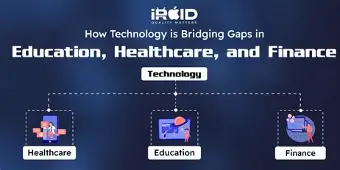
💻 5. Role of Technology
Technology can act as a bridge between all three sectors.
- Online education platforms for remote learning
- Health apps for tracking fitness and diseases
- AI and data for predicting environmental and health risks
👉 Future Approach:
India can become stronger by building a digital ecosystem connecting education, healthcare, and environmental monitoring.
👨👩👧 Role of Individuals
While government policies and large organizations play a major role, real change begins at the individual level. Every citizen has the power to contribute toward improving education, healthcare, and the environment in small but meaningful ways.
📚 1. Supporting Education
Individuals can help spread knowledge and awareness.
- Encourage children around you to attend school
- Help underprivileged students with books or guidance
- Share useful knowledge through social media or community groups
👉 Even simple actions like teaching someone basic reading or digital skills can make a big difference.
🏥 2. Taking Responsibility for Health
Good healthcare starts with personal habits.
- Maintain hygiene (handwashing, clean surroundings)
- Follow a balanced diet and regular exercise
- Go for regular health checkups
- Spread awareness about vaccination and disease prevention
👉 When individuals stay healthy, the burden on the healthcare system reduces.
🌱 3. Protecting the Environment
Daily habits directly impact the environment.
- Reduce plastic usage and avoid littering
- Save water and electricity
- Plant trees and support green initiatives
- Practice waste segregation at home
👉 Small eco-friendly actions, when done by millions, create a huge positive impact.
🏁 Conclusion (Short)
Education, healthcare, and the environment are deeply connected pillars of a nation’s progress. Strengthening one helps improve the others, creating a cycle of growth and well-being. By working together—government, communities, and individuals—we can bridge these gaps and build a healthier, more educated, and sustainable India for the future.
Watch video on bridging the gaps bet. education healthcare and environment
also read Say no to child labor – vanshika.theteacherpoint.com