by
by 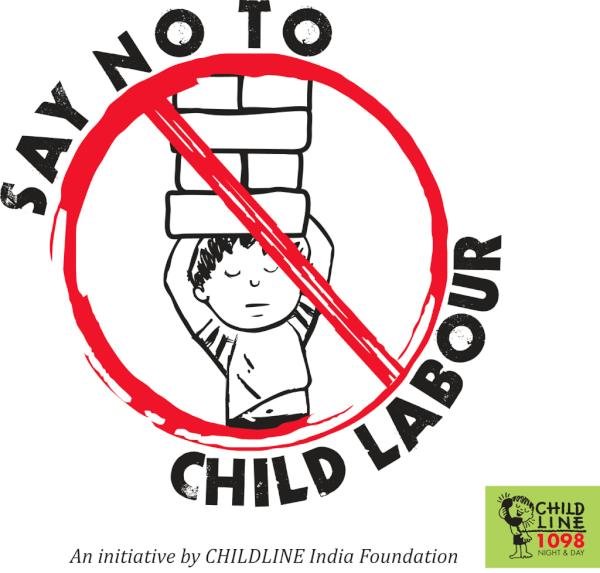
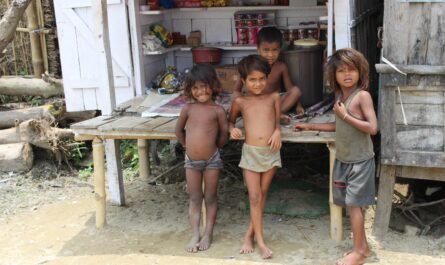
Child labour means making children work at an age when they should be studying, playing, and growing. It includes jobs that are harmful to their body or mind, or that stop them from going to school.
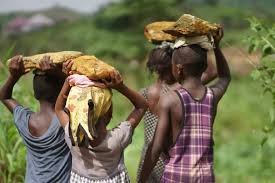
Why is it a serious issue?
It is serious because it takes away a child’s childhood and future. Children who work often miss education, suffer from health problems, and face stress or unsafe conditions. Instead of learning and developing skills, they get stuck in a cycle of poverty, which affects not only them but also society as a whole.
Child labour refers to the employment of children in work that is inappropriate for their age, harmful to their physical or mental health, or that interferes with their education and overall development.
In detail, it includes:
- Work that is too hard or dangerous for children, such as working in factories, mines, construction sites, or handling harmful substances
- Work that prevents education, where children are forced to skip school or drop out completely
- Work that harms mental and emotional well-being, such as long working hours, abuse, or exploitation
- Work done at a very young age, when children should be focusing on learning, playing, and growing
Not all work done by children is considered child labour. For example, helping parents at home for a short time or doing light tasks that do not affect school or health is generally acceptable.
Causes of child labour
1. Poverty
This is the biggest reason. Poor families often cannot afford basic needs like food, clothes, and shelter, so children are forced to work to support the family income.
2. Lack of Education
When schools are not available, too expensive, or of poor quality, children drop out and start working. Some parents also don’t understand the importance of education.
3. Family Pressure
In some families, children are expected to help earn money from a young age, especially if the family has many members or debts.
4. Unemployment or Low Income of Parents
If parents don’t have stable jobs or earn very little, children are pushed into work to help meet daily expenses.
5. Social Inequality
Certain groups in society (like lower-income communities) have fewer opportunities, which increases the chances of children being forced into work.
Effects of child labour
1. Loss of Education
Children who work often cannot attend school regularly or drop out completely. This limits their knowledge and skills, making it hard for them to get good jobs in the future.
2. Poor Physical Health
Many child labourers work in unsafe conditions like factories, construction sites, or streets. This can lead to injuries, sickness, weakness, and long-term health problems.
3. Mental and Emotional Stress
Children working long hours may feel stress, fear, and pressure. Some may face abuse or harsh treatment, which affects their mental health and confidence.
4. Loss of Childhood
Instead of playing, learning, and enjoying life, these children are forced to take responsibilities too early. They miss out on a happy and normal childhood.
Government Laws and Rules on Child Labour
The government has made strict laws to protect children from child labour and to ensure they get proper education and a safe childhood.
1. Ban on Child Labour
In India, children below the age of 14 years are not allowed to work in any job or industry. This rule is made to protect their health and education.
2. Hazardous Work is Strictly Prohibited
Children below 18 years are not allowed to work in dangerous places like:
- Factories
- Mines
- Construction sites
- Any work involving harmful chemicals
3. Right to Education
Under the Right to Education (RTE) Act, every child between 6 to 14 years has the right to free and compulsory education. This helps reduce child labour.
Government laws play an important role in protecting children, but strict implementation and public awareness are equally necessary to completely end child labour.
Solutions and How to Stop Child Labour
Child labour can be reduced and eventually stopped if proper steps are taken by the government, society, and individuals.
1. Provide Free and Quality Education
Education is the most powerful solution. When children go to school, they are less likely to work. Governments should ensure free, compulsory, and good-quality education for all children.
2. Reduce Poverty
Since poverty is the main cause, improving the financial condition of families is important. This can be done by:
- Providing job opportunities to adults
- Offering financial support to poor families
3. Support NGOs and Government Programs
Many NGOs and government schemes work to rescue and educate child labourers. Supporting these efforts can make a big difference.
Conclusion
Child labour is a serious problem that takes away the basic rights of children—the right to education, safety, and a happy childhood. It not only harms their physical and mental development but also affects the progress of society as a whole. Although laws and efforts are being made to stop it, much more needs to be done.
Every child deserves the chance to learn, grow, and achieve their dreams. By spreading awareness, supporting education, and standing against child labour, we can help create a better future where no child is forced to work.