by
by 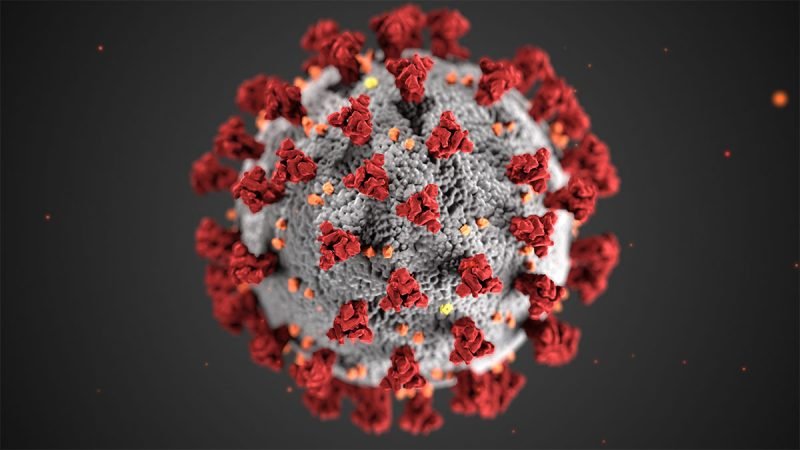
COVID-19 is a highly contagious disease caused by a newly discovered coronavirus, first identified in late 2019 in Wuhan, China. What started as a local outbreak quickly spread across the world, leading the World Health Organization to declare it a global pandemic in 2020. The virus spreads mainly through respiratory droplets when an infected person coughs, sneezes, or talks, making it easy to transmit in close contact.
The impact of COVID-19 has been far beyond just physical health. It affected millions of people globally, causing illness, loss of life, and putting pressure on healthcare systems. Governments imposed lockdowns, travel restrictions, and safety measures to control the spread. Schools and colleges shifted to online learning, offices adopted work-from-home culture, and daily life changed in ways no one had imagined before.
This pandemic not only challenged medical systems but also affected economies, mental health, and social connections. It made people more aware of hygiene, personal safety, and the importance of healthcare. COVID-19 became a turning point in modern history, showing how deeply a global health crisis can impact every aspect of human life.
- How COVID-19 Spreads
- Symptoms of COVID-19
- Prevention Methods
- Impact on Society
- Importance of Vaccination
- Lessons Learned
- Current Situation
- Conclusion
How COVID-19 Spreads
COVID-19 mainly spreads from one person to another through respiratory droplets released when an infected person coughs, sneezes, talks, or even breathes closely around others. These tiny droplets can enter the body through the nose, mouth, or eyes of a nearby person, especially in crowded or poorly ventilated places. The virus can also spread by touching surfaces contaminated with the virus and then touching the face, although this is less common. Close contact, such as handshakes or being near an infected person for a longer time, increases the risk of transmission. This is why maintaining distance and proper hygiene became very important during the pandemic.
Symptoms of COVID-19
The symptoms of COVID-19 can vary from mild to severe, and some people may not show any symptoms at all. Common symptoms include fever, dry cough, tiredness, and sore throat. Many people also experience loss of taste or smell, which became a key sign of infection. In some cases, people may have headaches, body aches, or difficulty breathing. Severe symptoms can include chest pain and serious breathing problems, which require immediate medical attention. The symptoms usually appear a few days after exposure to the virus, but the severity depends on the person’s health and immunity.
Prevention Methods
Preventing COVID-19 mainly involves simple habits that reduce the risk of infection. People are advised to maintain good hand hygiene by washing hands regularly with soap or using sanitizer. Wearing masks in crowded or high-risk areas helps reduce the spread of respiratory droplets. Maintaining physical distance from others, especially in closed or poorly ventilated spaces, is also important. Vaccination has played a major role in protecting people by reducing the severity of illness and slowing the spread of the virus. In addition, avoiding unnecessary crowds and staying home when feeling unwell helps protect both yourself and others.
Impact on Society
COVID-19 had a deep impact on almost every aspect of society. Education shifted from classrooms to online learning, affecting students’ routines and learning experiences. Many businesses faced losses, leading to job insecurity and economic slowdown. The healthcare system was under immense pressure due to the large number of patients. Social life changed as people had to maintain distance, avoid gatherings, and limit travel. The pandemic also affected mental health, causing stress, anxiety, and feelings of isolation. At the same time, it brought some positive changes, such as increased awareness about hygiene, digital growth, and the importance of health and family.
Importance of Vaccination
Vaccination has been one of the most effective ways to control COVID-19. Vaccines help the body build immunity against the virus, reducing the chances of severe illness, hospitalization, and death. Even if a vaccinated person gets infected, the symptoms are usually milder compared to someone who is not vaccinated. Large-scale vaccination programs across the world played a key role in slowing down the spread of the virus and helping societies return to normal life. Vaccination not only protects individuals but also helps protect the community by reducing overall transmission.
Lessons Learned
The COVID-19 pandemic taught us many important lessons. It showed the value of personal hygiene, such as regular handwashing and cleanliness, in preventing diseases. It highlighted the importance of strong healthcare systems and preparedness for emergencies. The pandemic also made people realize the importance of mental health and staying connected with loved ones. Additionally, it encouraged the use of technology in education and work, leading to the growth of online learning and remote jobs. Overall, it reminded us how important health, awareness, and adaptability are in difficult times.
Current Situation
Today, the situation of COVID-19 is much more controlled compared to the early stages of the pandemic. With the help of vaccines, better awareness, and improved medical facilities, the number of severe cases has reduced. Most countries have lifted strict restrictions, and people have returned to their normal routines. However, the virus has not completely disappeared, and occasional cases still occur. This is why basic precautions and awareness are still important to prevent future outbreaks.
Conclusion
COVID-19 was not just a health crisis but a global event that changed the way we live, work, and think. It affected millions of lives and challenged societies in many ways, but it also taught us valuable lessons about health, responsibility, and resilience. As we move forward, it is important to remember these lessons and stay prepared for the future.
“COVID-19 not only tested the world but also taught us how to adapt, care, and value life more deeply.”
watch video on covid 19
also read my new post